
Small Shoe Rack For Entryway Spaces That Stay Neat
Small shoe rack for entryway deserves a plan that starts with the room’s behavior, not with a shopping list. A shoe rack near the door should make arrival faster, not display every pair owned.
The useful test is whether the rack still works when shoes are wet, people are carrying bags, and the door opens fully. If a choice still works under that pressure, it is more than a pretty idea.
This guide keeps the advice practical: clearance first, storage categories second, styling last. That order prevents a compact room from becoming a series of attractive obstacles.
Each section gives one decision to make, what can go wrong, and how to keep the room easier to reset after a normal day.
small shoe rack for entryway: Measure Shoes With The Door Open
A shoe rack that fits the wall may still fail when the door opens. Measure the rack with real shoes sticking out, not with an empty product dimension.
Keep the route clear in the spirit of ADA accessible route guidance; entries work better when the path is obvious.
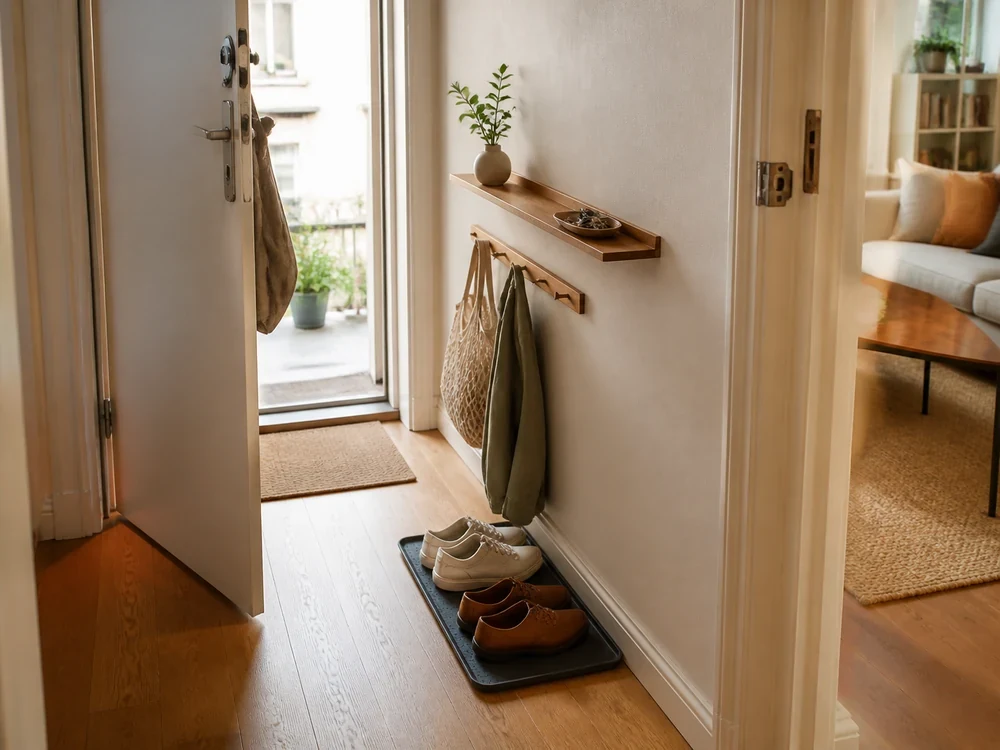
Store Only The Current Rotation
The entry rack should hold the shoes used most often this week. Seasonal pairs and special shoes belong in a closet or bedroom storage.
A small rack becomes tidier when it has a rule. If the rack is full, a pair leaves before another pair joins.
Choose Tier Height By Shoe Type
Sneakers, flats, boots, and sandals need different heights. A rack that technically holds many pairs may crush the shoes you actually wear.
Measure the tallest daily pair before buying. Adjustable shelves are useful when the seasons change.
Use A Tray For Wet Soles
Wet shoes need a contained landing area. Without a tray, water spreads under the rack and makes the entry feel dirty.
Use a washable tray under or beside the rack. Let shoes dry before they move to a closed cabinet.
Keep The Top From Becoming A Shelf
Some shoe racks include a top surface, which can be helpful or dangerous. It quickly becomes a place for mail, keys, and random objects.
If the top exists, give it one role such as a small basket or sitting surface. Do not let it compete with the landing zone.
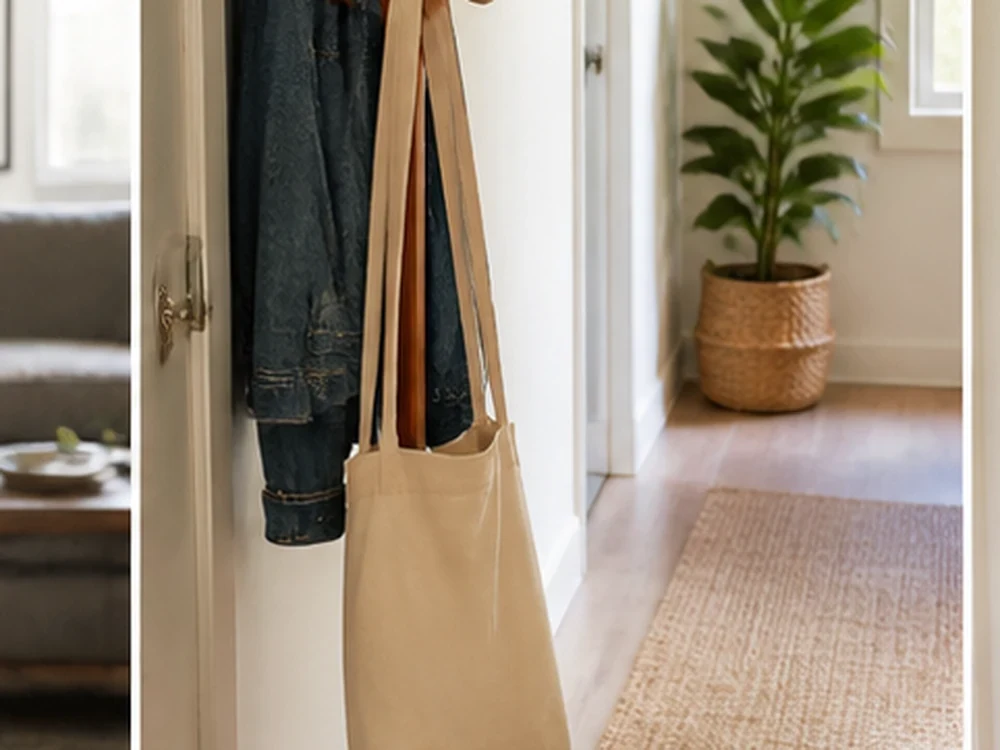
Use Vertical Space Only When Reach Is Easy
Tall shoe racks can save floor, but they can also make daily shoes awkward to grab. Prime pairs should sit where bending and reaching feel natural.
Put light or occasional shoes higher. Keep daily pairs on the easiest tier.
Separate Guest Shoes From Household Shoes
Guest shoes need a temporary spot that does not disturb the household rotation. If the rack is always full, visitors add shoes to the floor.
Leave one low space open or use a small movable tray during visits.
Avoid Hidden Back Rows
Deep racks with two rows hide shoes and make the front row messy. Entry storage should be quick to read.
Use one visible row when possible. If the rack must be deep, reserve the back row for rare pairs and label the habit, not the shelf.
Pair The Rack With Hooks
Shoes rarely arrive alone. Bags, coats, and umbrellas land at the same moment, so a shoe rack works better with nearby hooks.
The rack handles feet; hooks handle hands. Separating those jobs prevents the bench or floor from taking over.
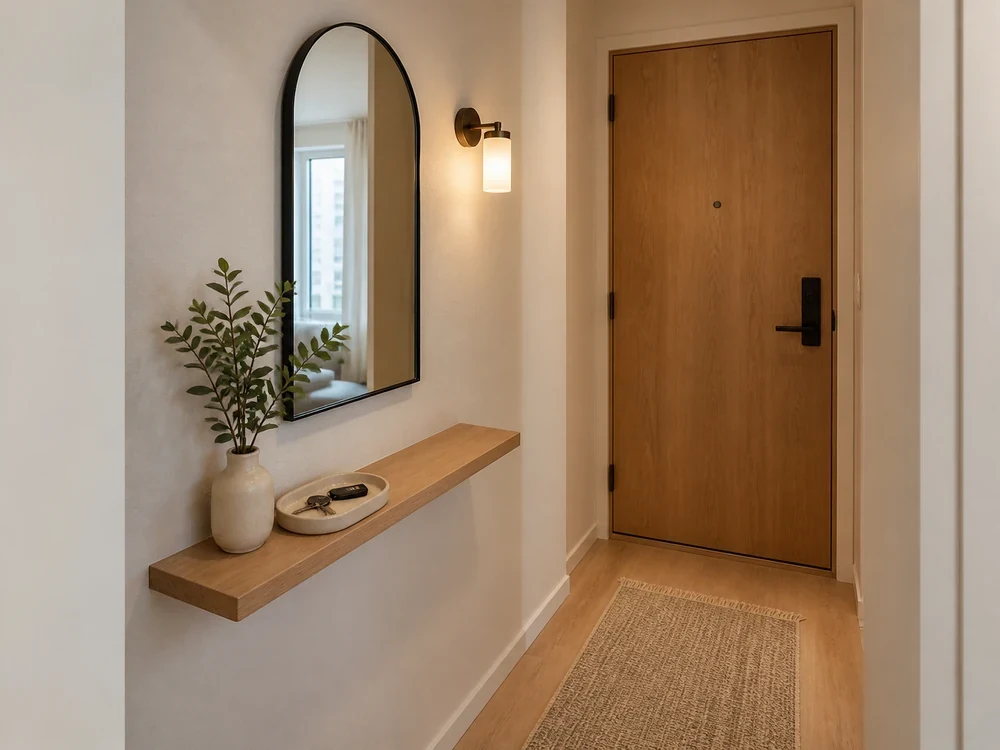
Keep Cleaning Simple
Entry shoe racks collect grit and dust. If the rack cannot be moved, lifted, or wiped easily, the area will age quickly.
Choose open materials, washable trays, and enough floor clearance for sweeping.
Let Style Come From Materials
A small shoe rack does not need many decorative extras. Wood, metal, cane, or matte finish can carry the look without adding clutter.
Keep the color close to the wall, floor, or door hardware. The rack should feel built into the routine.
Use Benches Carefully
A shoe bench is useful when people sit to tie shoes. It is too large when the entry only needs a landing tray.
Choose the smallest seat that supports the habit. If no one sits, use a lower rack and keep the walking path wider.
Make Kids' Shoes Reachable
Children’s shoes create clutter when the rack is too high or too precise. A low open slot may work better than a tidy adult cabinet.
Give children a simple target. The easier return wins over the prettier system.
Watch The Smell Factor
Closed shoe storage can look clean while trapping odor. Open racks dry faster but need visible limits.
If shoes are damp or heavily worn, give them air before closing them away. Freshness is part of entryway design.
Audit The Rack On Trash Day
Use a weekly household routine to check the rack. Pairs that have not moved can return to the closet.
This prevents the entry from becoming a long-term shoe archive. The rack should stay current.
Reset The Bottom Tier
The bottom tier is where dust, bags, and stray shoes collect. Reset it before the rest of the entry gets blamed.
Clear the tray, line up active pairs, and remove anything that is not footwear.
Count Shoes By Week, Not By Pair
The right rack size comes from the current week, not the household’s total shoe count. Count the shoes actually worn in normal weather and build around that number.
A rack that holds every pair becomes a small closet by the door. A rack that holds the week’s shoes keeps the entry honest.
Let Wet Shoes Wait Outside The Rack
Wet shoes need a drying pause before they join the main rack. Putting them directly into a tier can dirty other shoes and make the entry smell stale.
Use a tray, mat, or low open space for wet pairs. Once they dry, they can return to the regular rotation.
Keep The Rack Easy For Children
If children use the entry, the prettiest rack may be too precise. Low open storage usually beats narrow slots when shoes need to be returned quickly.
Give children a simple target and accept a less formal look. The entry stays cleaner when the system matches the person using it.
Review The Bottom Row Often
The lowest part of a shoe rack collects dust, grit, receipts, toys, and forgotten pairs. It can make the entire entry look messy even when the top is tidy.
Clear the bottom row weekly and remove shoes that have not moved. The smallest rack works when it stays current.
Choose Finish By Dirt Visibility
A very dark rack can show dust, while a very light rack can show mud and scuffs. The best finish depends on local weather and shoe habits.
Pick a finish that can look decent between cleanings. Entry storage should tolerate real dirt without looking neglected immediately.
Leave A Place For Shoes In Use
Shoes being worn again later may not return neatly to the rack. Give that pair a front spot or tray so it does not sit loose in the path.
The system should expect half-used shoes. A realistic landing spot prevents the floor from becoming the default answer.
Make The Rack Obvious From Outside
Look at the rack while standing outside the open door. The storage should tell incoming feet exactly where shoes go before anyone steps into the home.
If the rack hides behind a bag, plant, or cabinet angle, shoes will land on the floor. Visibility is part of compliance.
Decision Guide
| Problem | Better Move | Watch Point |
|---|---|---|
| Rack blocks door | Measure with shoes and door swing | Empty rack dimensions lie |
| Shoes overflow | Use a one-in one-out rotation | The entry is not the closet |
| Wet soles spread dirt | Add a washable tray | Drying needs a boundary |
| Rack smells stale | Air shoes before closing storage | Freshness needs ventilation |
Related Her Neat Nest Guides
Final Takeaway
Small shoe rack for entryway works when every piece has a job, every category has a limit, and the room can recover without a long reset. Choose the moves that reduce friction first; the room will look better because it behaves better.
FAQ
How many shoes should an entryway rack hold?
Hold only the current rotation, usually the pairs worn most often that week, plus one guest or wet-shoe space if needed.
Is an open or closed shoe rack better?
Open racks dry faster and are easier to reset, while closed cabinets look calmer but need ventilation and stricter limits.
Where should a shoe rack go in a small entry?
Place it where shoes can be removed without blocking the door, hallway, hooks, or main walking route.